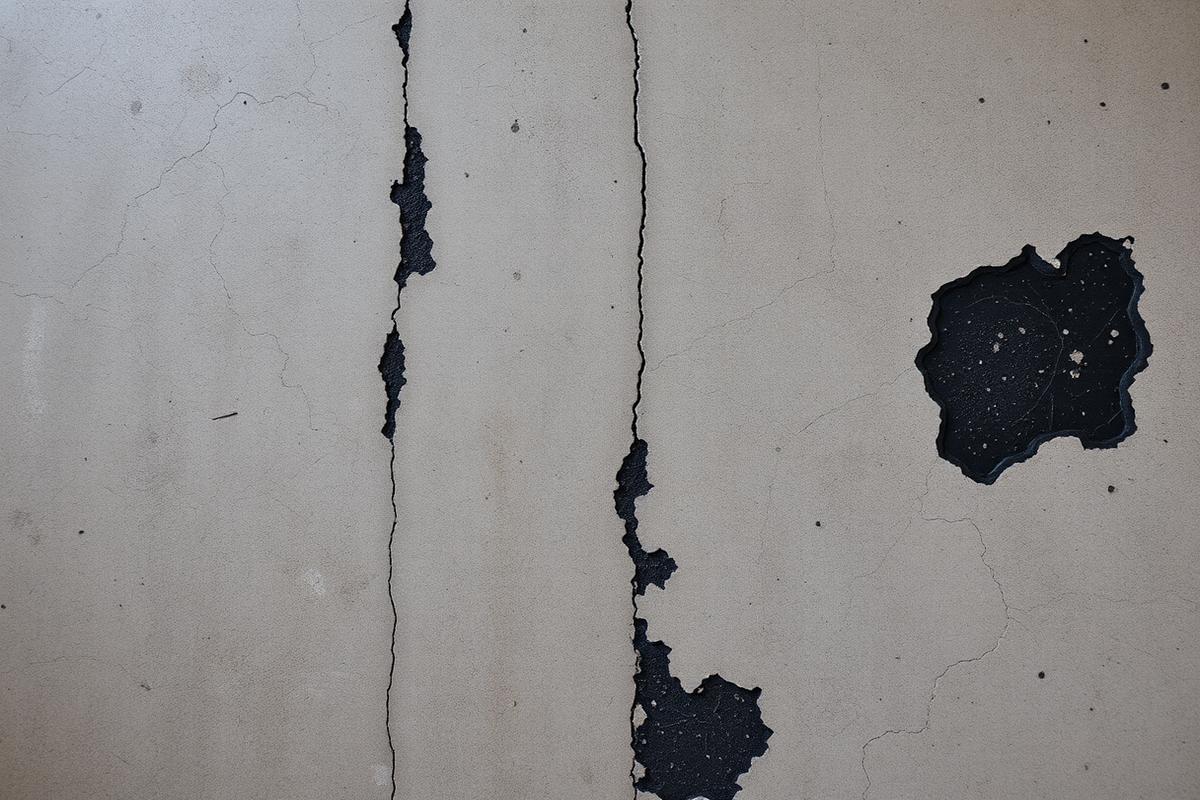
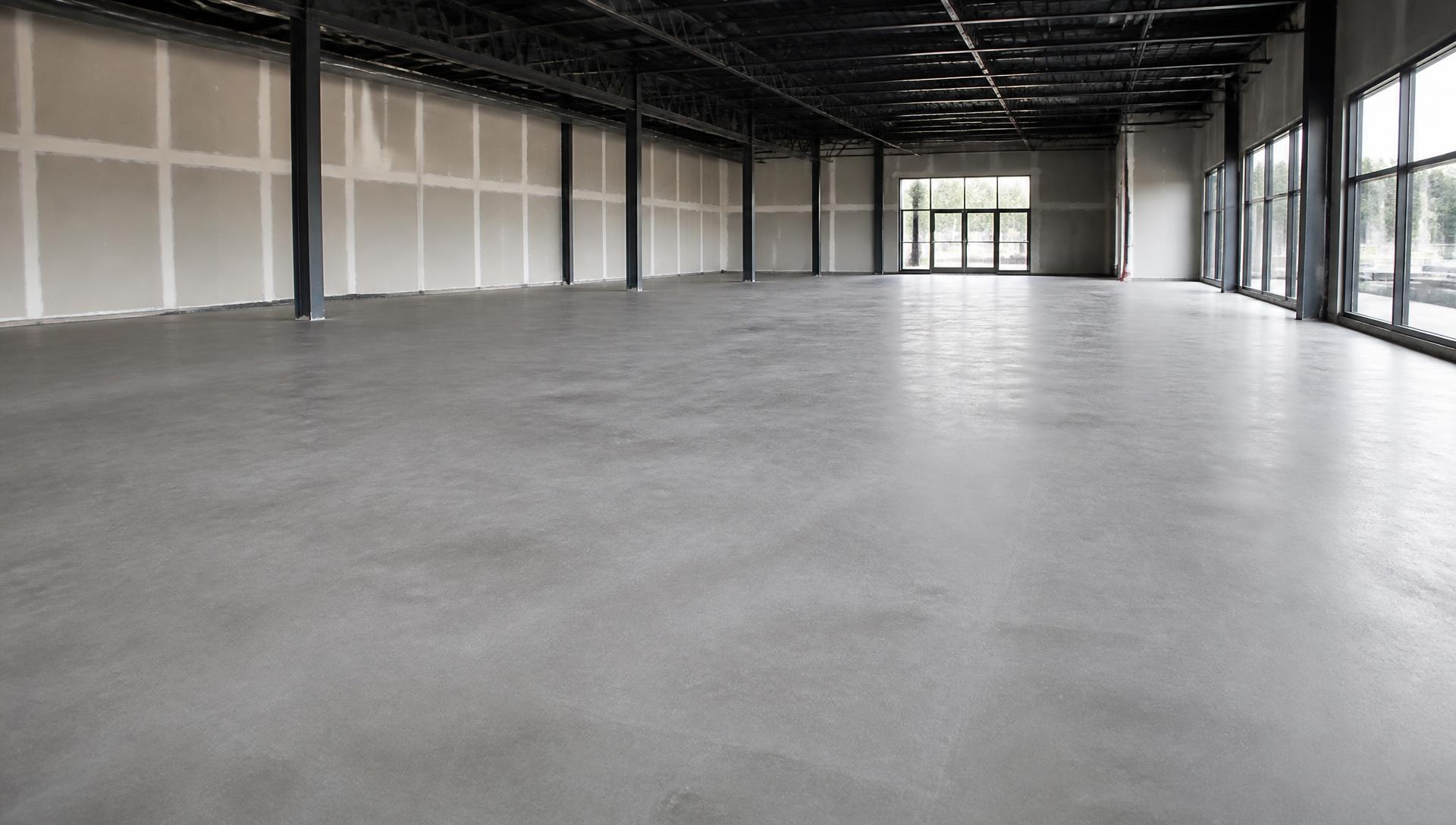
Freshly prepped bare concrete slab in an empty Las Vegas commercial space

Las Vegas • Henderson • North Las Vegas

Concrete Floor Preparation in Las Vegas

Getting your slab flat, clean, and correctly profiled before new flooring or coatings go down.

Licensed

NV contractor license

Insured

General liability + WC

Dust-Controlled

Shrouded + HEPA filtration

15+ Years

Valley-wide floor prep

Prep by flooring type

What the slab needs depends on what's going on top of it

We prepare the concrete — we don't sell you the coating or the flooring. That means the prep is built around your installer's system, not around a product we're trying to move.

Epoxy & Coatings

Typically CSP 2–3

Coating systems bond mechanically, so the slab has to be opened, dry, and free of sealers, curing compound, and old film. We grind to the profile the manufacturer's data sheet calls for and leave the surface vacuumed and ready.

Epoxy prep details

Tile

Flat, clean, no bond breakers

Large-format tile is unforgiving about flatness. We grind down high spots and old thinset ridges so the setter isn't building mortar to chase the slab, and lippage stays inside tolerance.

Flooring prep details

LVP & Resilient

Flatness first

Thin resilient plank telegraphs everything under it. Adhesive residue, paint drips, and small humps all show through, so prep here is mostly grinding flat and getting the slab genuinely clean.

Flooring prep details

Polished Concrete

Aggregate & finish decisions up front

Polishing is a finish, not just prep — cut depth determines whether you see cream, salt-and-pepper, or aggregate. We handle the removal and flattening passes that decide what the polisher has to work with.

Grinding details

Explained simply

Concrete Surface Profile (CSP), Explained Simply

CSP is just a standardized way of describing how rough a concrete surface is — a scale from 1 (barely textured, like a light acid etch) to 9 (heavily scabbled and deeply gouged).

Think of it as sandpaper grit for the slab. A thin sealer only needs a whisper of texture. A troweled-on mortar system needs somewhere for a much thicker material to key into. Too smooth and the product sits on top and peels; too rough and thin coatings can't fill the profile, which shows up as pinholes and telegraphed texture.

We don't pick the number. Profiles follow the coating manufacturer's specification — send us the product data sheet and we grind to what it requires, then verify before handoff.

CSP 1

Acid etch / light grind

CSP 2

Grinding

CSP 3

Grinding

CSP 4

Light shotblast

CSP 5

Shotblast

CSP 6

Shotblast / scarify

CSP 7

Scarify

CSP 8

Scarify / scabble

CSP 9

Scabble

  • CSP 1Thin sealers
  • CSP 2Thin sealers, some coatings
  • CSP 3Coatings up to ~10 mils
  • CSP 4Thin-film coatings
  • CSP 5Self-leveling & mortars
  • CSP 6Heavier build coats
  • CSP 7Thick mortar systems
  • CSP 8Heavy-duty overlays
  • CSP 9Very heavy repair mortars

Illustrative scale only. CSP is defined by the International Concrete Repair Institute and confirmed on site against physical comparison chips.

Core scope

Thinset, Adhesive & Coating Removal

This is the bulk of what we do, and it's the step most often underestimated on a bid. What's stuck to your slab decides the tooling, the timeline, and whether the next floor holds.

Thinset & tile mortar

After tile demo you're left with hard, ridged mortar bonded to the slab. It's ground off in passes with aggressive metal-bond tooling, then refined so the surface is flat rather than just knocked down. Leaving ridges is the single most common cause of telegraphing under LVP and lippage under new tile.

Carpet glue, mastic & cutback

Soft adhesives smear and load up diamonds instead of cutting cleanly, so tooling selection matters more than horsepower. Black cutback in older Las Vegas buildings can contain asbestos — if the age or look of the material suggests it, testing and licensed abatement come before we touch it. We don't grind suspect material.

Epoxy, urethane & garage paint

Coatings come off mechanically. We take the film to bare concrete rather than scuffing it, because a recoat over a failed bond just fails again on the original plane. Where a coating is genuinely sound, we'll tell you and profile it instead of removing it.

Sealers, curing compound & densifiers

The invisible category. These leave the slab looking clean while quietly blocking every adhesive. A water-drop or solvent test tells us what's there, and grinding opens the surface back up.

Levelers, patch & overspray

Old feather-finish, drywall mud, paint overspray, and mortar splatter all get removed in the same pass so the finished slab is uniform edge to edge — including perimeters and thresholds, which are ground by hand.

Concrete slab ground clean and uniformly profiled after adhesive removal
Concrete slab covered in black adhesive residue before removal
BeforeAfter
Adhesive removal on an interior slab: residue taken back to sound concrete, then profiled for new flooring.
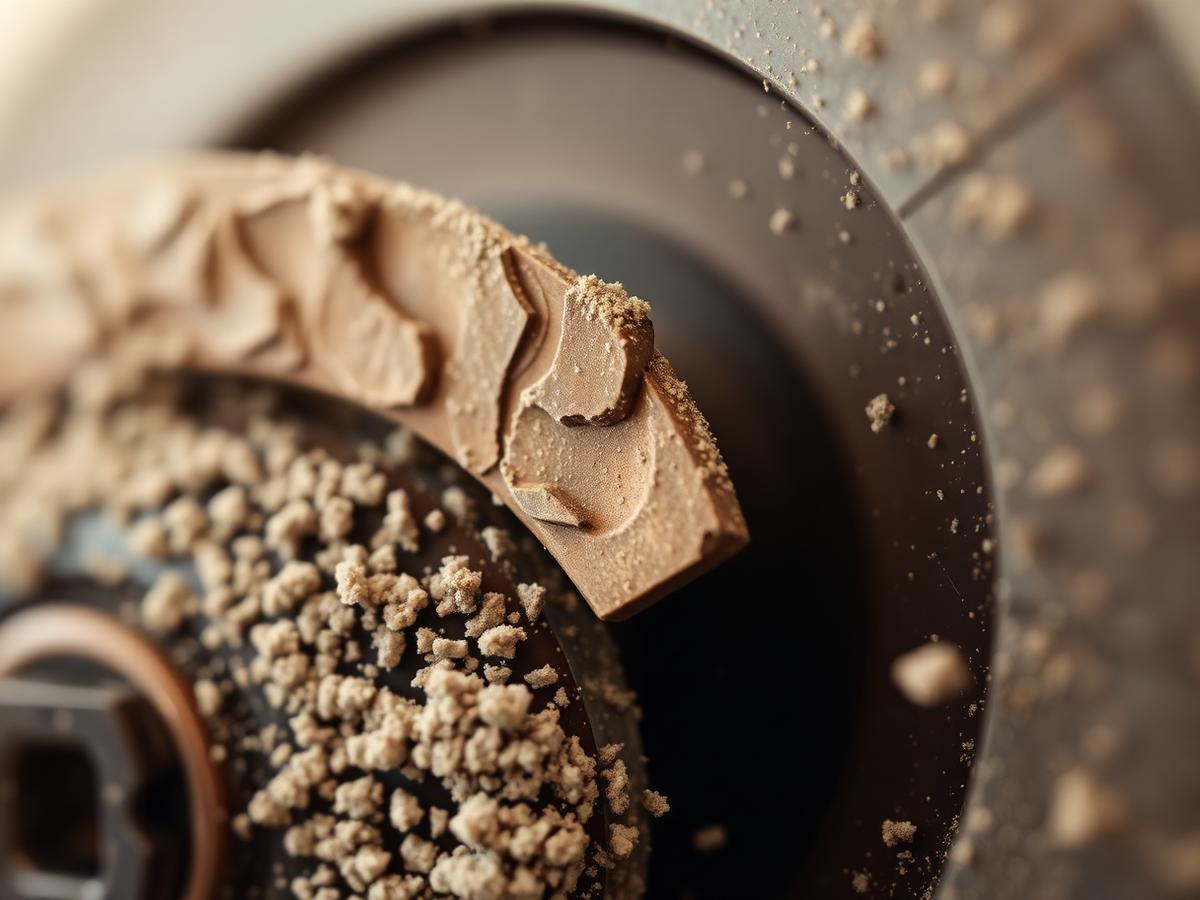
Diamond tooling segments loaded with concrete fines during adhesive removal
Tooling is matched to the material — bond, segment count, and grit all change with what's coming off.

Be realistic

Flatness & Moisture

Two slab conditions that decide more warranty claims than anything else — and there is no single number that covers every floor.

Flatness

Requirements differ by flooring system. Large-format tile and thin resilient plank are strict; a heavy broadcast coating hides more. Grinding removes high spots efficiently, but it can't fill low ones — dips get patched or self-leveled, and whether that's in our scope or the installer's should be settled before anyone starts.

Moisture

Las Vegas slabs are usually dry, but "usually" isn't a specification. Slab-on-grade with no vapor retarder, post-tension slabs, and anything that's seen irrigation or a leak can still read high. Each flooring system publishes its own limits, and testing is the only way to know. We flag the risk and coordinate testing rather than guess.

Comparison

Mechanical Prep vs. Acid Etching

Grinding doesn't automatically win — it's the right tool for most jobs, and acid etching still has a narrow place. The question is what the slab has on it and what's going down next.

Comparison of mechanical concrete preparation and acid etching
FactorMechanical prep (grinding)Acid etching
How it worksDiamonds physically cut and open the surfaceAcid reacts with cement paste to etch it
When it appliesCoatings, adhesives, sealers, high spots, unknown slab historySmall bare slabs, thin sealers, areas machines can't reach
Profile achievedControlled and repeatable, roughly CSP 1–3 by toolingLight and inconsistent, generally CSP 1 at best
Removes coatings & glueYesNo
Flattens the slabYes — high spots and lippage come downNo — texture only
Residue & cleanupDry dust captured by shrouded HEPA extractionWet slurry that must be neutralized, rinsed, and vacuumed
RiskOver-aggressive tooling can leave scratch patterns to refineLeftover salts and moisture in the slab are a common bond failure

Etching can make sense on a small, bare, uncoated slab with a thin sealer going down, or in a tight interior corner where no machine fits.

Etching is the wrong call when coatings, adhesive, or sealers are present, when the slab needs flattening, or when a coating warranty requires a verified CSP. That's grinding work.

FAQ

Floor preparation questions

Free estimate

Have a slab that needs prep before flooring goes down?

Send the square footage, what's on the slab, and the product data sheet for what's going down — we'll scope the prep to spec.