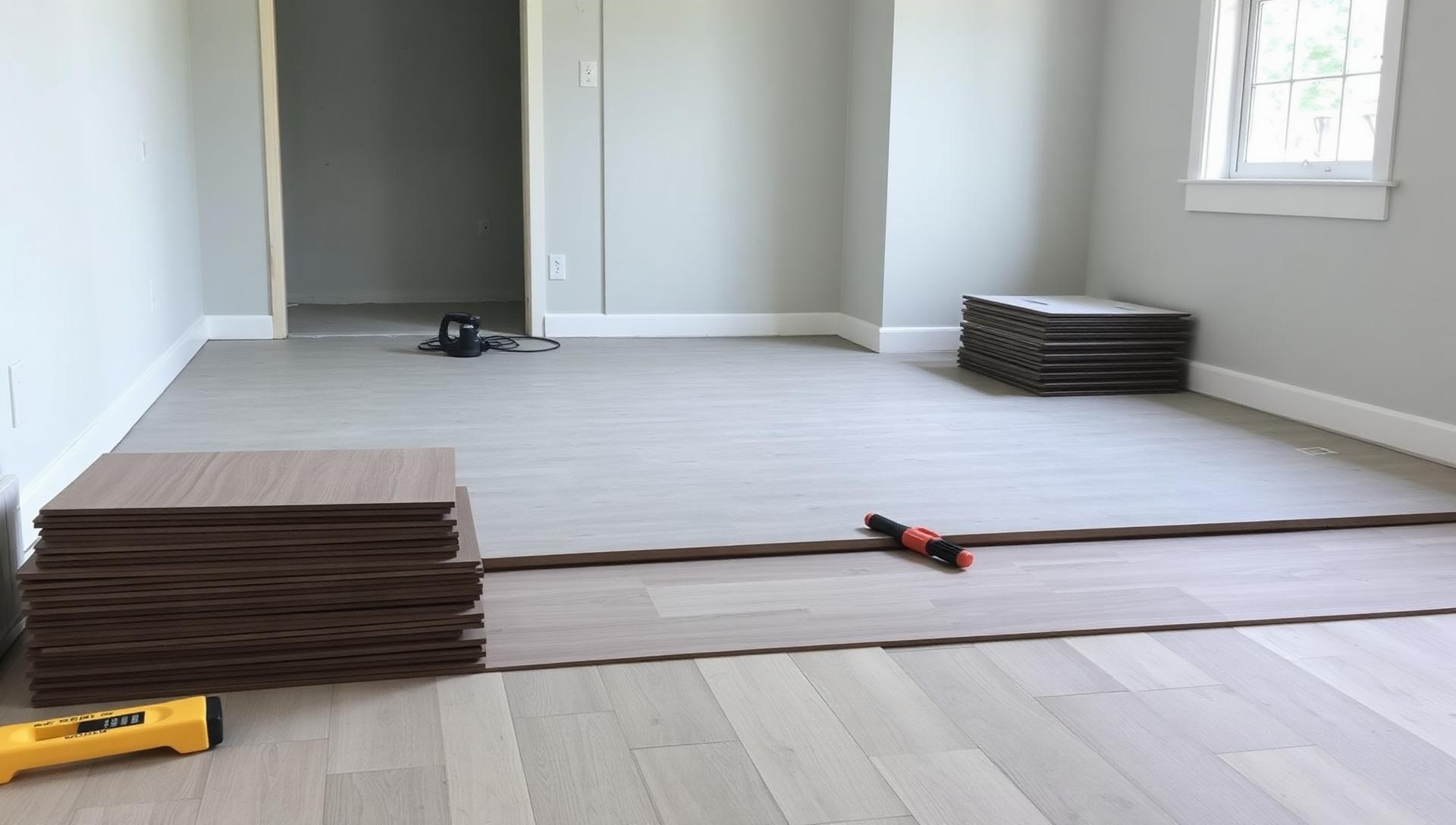
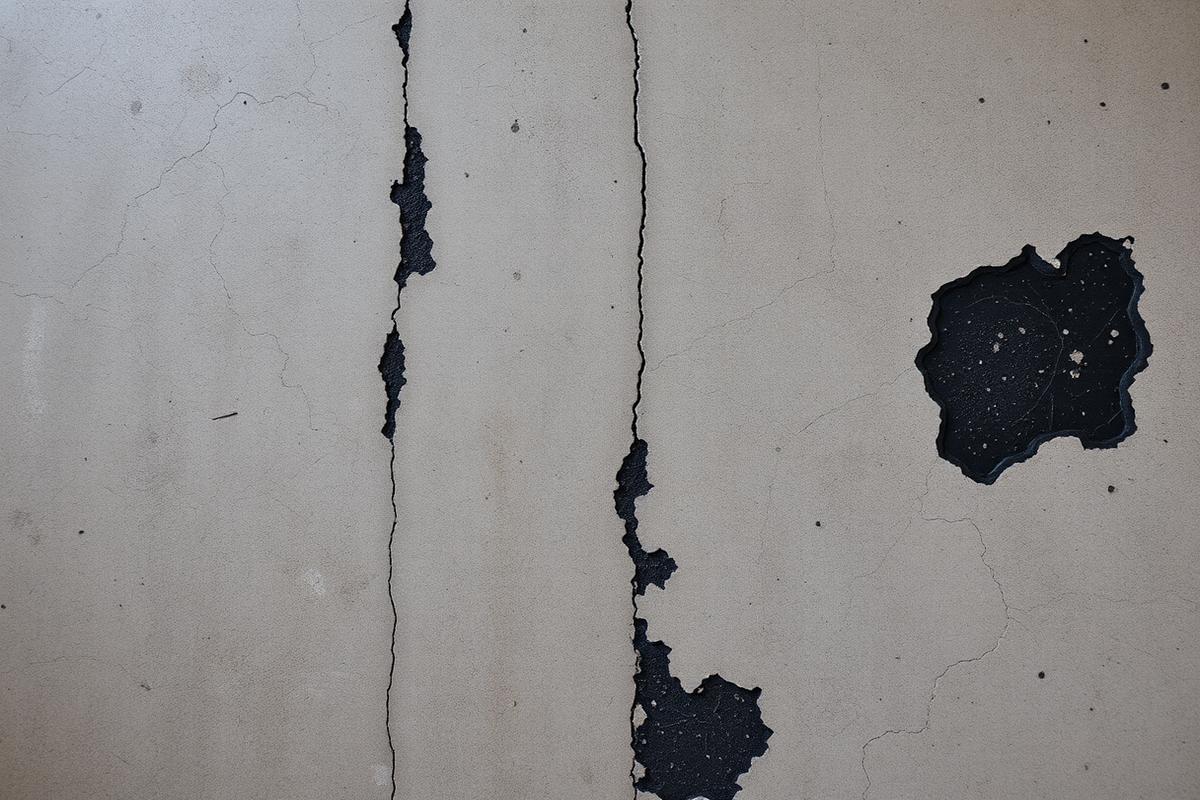
LVP is thin, rigid enough to bridge, and flexible enough to conform — the worst combination for hiding a bad slab.
Over a hump, planks bridge and the locking joints sit under constant stress. That shows up as visible ridging along the seam, clicking underfoot, and eventually separated joints. Over a dip, the plank flexes with every footstep until the joint fatigues and gaps open.
Most plank manufacturers publish a flatness tolerance in the range of 3/16" over 10 feet, and they void warranties when the substrate is outside it. Grinding is the only way to bring a high spot down — leveler can't. So the sequence is grind the highs, then fill the lows if any remain.
Raking light from a window or can lights makes every ridge visible in a finished floor. Getting flat before install is much cheaper than explaining it after.